
"Ministry of economy"
300 article(s) found

Fine single coffee Yemeni coffee beans
Yemeni Coffee Mocha is the earliest export port of Yemeni coffee beans, a well-known coffee named after a port in Yemen. The most familiar mocha coffee. When the word appears on the recipes of bags and cafes, the meaning is different. The former refers to the port where coffee beans are exported, while the latter refers to a kind of coffee. Strictly speaking, exported from the Yemeni port of Mocha

Characteristics of manor information of coffee bean varieties in Brazil
For the exchange of professional baristas, please follow the coffee in CarumondeMinas, the coffee workshop (Wechat official account cafe_style). This is by far the most conspicuous area in Brazil, often imagined as a farm in the mountainous regions of Central America and Guatemala, where it is harvested manually without machinery and dedicated to quality. Drink the coffee produced here, with a strong acid unlike Brazilian coffee
Boutique single Yemeni coffee beans
Yemeni Coffee Mocha is the earliest export port of Yemeni coffee beans, a well-known coffee named after a port in Yemen. The most familiar mocha coffee. When the word appears on the recipes of bags and cafes, the meaning is different. The former refers to the port where coffee beans are exported, while the latter refers to a kind of coffee. Strictly speaking, exported from the Yemeni port of Mocha
Yemeni coffee mocha coffee boutique coffee
Yemeni Coffee Mocha is the earliest export port of Yemeni coffee beans, a well-known coffee named after a port in Yemen. The most familiar mocha coffee. When the word appears on the recipes of bags and cafes, the meaning is different. The former refers to the port where coffee beans are exported, while the latter refers to a kind of coffee. Strictly speaking, exported from the Yemeni port of Mocha

Yemeni coffee is the earliest coffee bean export port
Yemeni coffee is a famous coffee named after a port in Yemen. Mocha coffee is the most familiar. When the word appears separately on a package and a cafe menu, it refers to something different. The former refers to the port where coffee beans are exported, while the latter refers specifically to a coffee. Strictly speaking, coffee beans exported from Yemen's mocha port can be called mocha coffee. Later port

The skill of cooking Kenyan AATOP coffee beans by hand the taste characteristics of Kenyan coffee beans
Professional coffee knowledge exchange more coffee bean information please follow the coffee workshop (Wechat official account cafe_style) what kind of coffee is suitable for Kenya coffee hand-made Starbucks Kenyan coffee Starbucks Kenyan Elephant Coffee whisper (Story Note) Starbucks has supplied Kenyan coffee for more than 40 years, the quality and flavor of coffee from this area has always surprised us.

Chongqing: build an international coffee distribution center without producing one bean.
In May this year, the Belt and Road Initiative Summit Forum for International Cooperation will be held in Beijing. This is the highest standard forum activity proposed by Belt and Road Initiative in more than three years, and it is also an important home diplomatic activity of our country this year. Recently, a reporter from the Beijing News took you to visit the key cities in Belt and Road Initiative to see what opportunities and changes Belt and Road Initiative has brought to the local economy and people's livelihood over the past three years. A cup of coffee
The earliest export port of Yemeni coffee mocha
Yemeni coffee, a well-known coffee named after a port in Yemen. The most familiar mocha coffee. When the word appears on the recipes of bags and cafes, the meaning is different. The former refers to the port where coffee beans are exported, while the latter refers to a kind of coffee. Strictly speaking, coffee beans exported from the port of Mocha in Yemen can be called mocha coffee. Later, the port
Yemeni mocha coffee history, culture, characteristics, industry development
Yemeni coffee, a well-known coffee named after a port in Yemen. The most familiar mocha coffee. When the word appears on the recipes of bags and cafes, the meaning is different. The former refers to the port where coffee beans are exported, while the latter refers to a kind of coffee. Strictly speaking, coffee beans exported from the port of Mocha in Yemen can be called mocha coffee. Later, the port

History of introduction and expansion of Coffee in early China (5)
1. From the first peak period of the development of China's coffee industry (1952-1961) to the late 1940s, according to recorded figures, there are 2173.33 hectares of rubber plantations in Hainan Island, with a total of 867600 rubber trees, with an annual output of 199,000 tons of dry rubber, and more than 300,000 coffee plants. the annual output of coffee beans is 1 ton. According to a survey in the early 1950s, there was a large amount of coffee left in Fushan area of Chengmai County, with a total of 70,000.
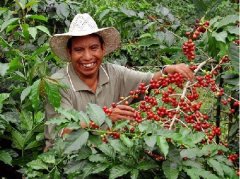
Guatemalan National Coffee Guatemala Coffee producing area Etiran Atitlan
Professional barista communication please follow the coffee workshop (Wechat official account cafe_style) Guatemala Republic Repblica de Guatemala (Spanish) general name: Guatemala Flag of Guatemala.svg Coat of arms of Guatemala.svg flag national emblem national motto: Libre Crezca Fecundo. (Spanish) develop freedom, promote

With the death of Korean "coffee king", it is time to talk about the success or failure of Korean coffee.
"Coffee King of Korea passed away" Coffee accompanied your founder Kang Hoon to commit suicide in the bathroom of his home in Ricao District of Seoul at 05:46 local time on the 24th. No suicide note was left at the scene. Company staff contact Jiang Xun has not responded, went to his home to find suicide, and immediately called 119 to declare. The police said: the company is in a financial crisis. Jiang Xun sent it to a friend on the 23rd.
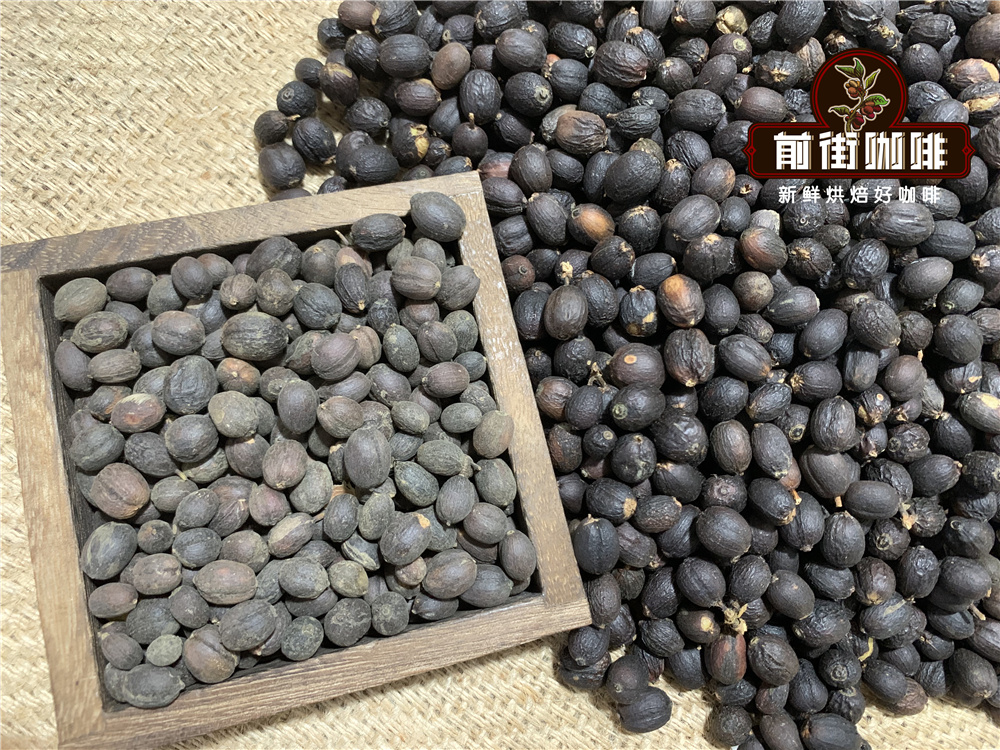
Yunnan Coffee Bean Variety Yunnan Coffee producing area History Story description of flavor and taste characteristics of 2013 small grains of coffee in Qianjie
For the future, local governments in Yunnan have also drawn a blueprint: Dehong is planning to expand the coffee planting area from the current 100000 mu to 200000 mu in the next few years; Lincang plans to expand the existing 20, 000 mu coffee forest by 10 times to 200000 mu in the 12th five-year Plan; Pu'er also plans to expand the 220000 mu coffee forest to

Description of Information Flavor of Brazilian Coffee Bean planting Historical Variety Manor
Communication of professional baristas Please pay attention to the coffee workshop (Wechat official account cafe_style) due to inherent conditions, the Brazilian government has invested a lot of resources to improve varieties and disease resistance since the 1930s. Among them, the results of bean research still affect the planting habits of Latin America as a whole. For example, they cultivated a natural variant of Bourbon, Yellow, from 1/1000000 opportunities in the 1930s.

History of introduction and expansion of Coffee in China in the early stage of Coffee Development (5)
1. From the first peak period of the development of China's coffee industry (1952-1961) to the late 1940s, according to recorded figures, there are 2173.33 hectares of rubber plantations in Hainan Island, with a total of 867600 rubber trees, with an annual output of 199,000 tons of dry rubber, and more than 300,000 coffee plants. the annual output of coffee beans is 1 ton. According to a survey in the early 1950s, there was a large amount of coffee left in Fushan area of Chengmai County, with a total of 70,000.

Differences, distinctions and awards of individual beans in Brazilian coffee
Exchange of professional baristas please follow the coffee workshop (Wechat official account cafe_style) Brazilian coffee individual bean differences, distinction and award situation in addition, 80% of Brazilian coffee is dried coffee, the remaining 20% is semi-dried and washed. Its coffee taste characteristics are different, but high-quality coffee slightly tends to use semi-dry treatment. However, drying treatment
Coffee planting History of Coffee introduction and expansion in China in the early stage (5)
1. From the first peak period of the development of China's coffee industry (1952-1961) to the late 1940s, according to recorded figures, there are 2173.33 hectares of rubber plantations in Hainan Island, with a total of 867600 rubber trees, with an annual output of 199,000 tons of dry rubber, and more than 300,000 coffee plants. the annual output of coffee beans is 1 ton. According to a survey in the early 1950s, there was a large amount of coffee left in Fushan area of Chengmai County, with a total of 70,000.
The History of Coffee introduction and expansion in China in the early stage (5)
1. From the first peak period of the development of China's coffee industry (1952-1961) to the late 1940s, according to recorded figures, there are 2173.33 hectares of rubber plantations in Hainan Island, with a total of 867600 rubber trees, with an annual output of 199,000 tons of dry rubber, and more than 300,000 coffee plants. the annual output of coffee beans is 1 ton. According to a survey in the early 1950s, there was a large amount of coffee left in Fushan area of Chengmai County, with a total of 70,000.

Brazilian Coffee Bean Variety Characteristics Region Treatment Flavor Description
Professional barista exchanges, please pay attention to coffee workshop (Weixin Official Accounts cafe_style ) Brazilian coffee varieties Although coffee has diversity, Brazilian coffee is suitable for public taste. For example: coffee produced in northern coastal areas has a typical iodine taste, reminiscent of the sea after drinking. This coffee is exported to North America, the Middle East and Eastern Europe. There's also something interesting and worth pursuing.

Grading, price, raw beans and baking curve of Brazilian coffee
For the exchange of professional baristas, please follow the coffee workshop (Wechat official account cafe_style) Brazilian coffee individual bean classification, price, raw beans and baking curve traditional wind selection props coffee advanced countries Brazil has not yet exported to Japan there are many kinds of coffee. Due to the domestic road traffic conditions, land transport is difficult, although it can produce fine coffee but can not circulate < CHAPADA DE M